2026 Edition · Annual Workshop
QBi2
Quantum Effects at the Biology and Innovation Interface.
2026 Focus
Photoactive Protein Spins
Optical Control in Living Systems


Quantum Effects at the Biology and Innovation Interface.
Optical Control in Living Systems
QBI² brings together quantum physicists, chemical biologists, biomedical researchers, and industry expertise to investigate whether and how quantum engineering can advance the life sciences, and quantum phenomena control biological systems.
Our annual workshop anchors on a specific focal topic the community is ready to move forward on, examining where quantum phenomena may be utilized to transform our capabilities to study and control biological systems, and where quantum phenomena may genuinely shape biological function, and where evidence falls short.
The goal is not consensus but clarity: to map what is known, identify what remains contested, and figure out where the real scientific and translational opportunities lie.
QBI² is as much about building community as advancing ideas. We connect researchers across disciplines, sparking collaborations and creating space for the kinds of conversations and ideas that demand an in-depth, focused discussion, and inspire exchange between academia and industry.
For 2026, protein science is the lens. The workshop focuses on protein spin qubits and related spin effects: genetically encoded and chemically targeted spin systems that can be initialized, manipulated, and read out within living systems.
From fluorescent protein spin qubits to radical-pair systems and the translational opportunities in quantum biology - a focused, single-track program.
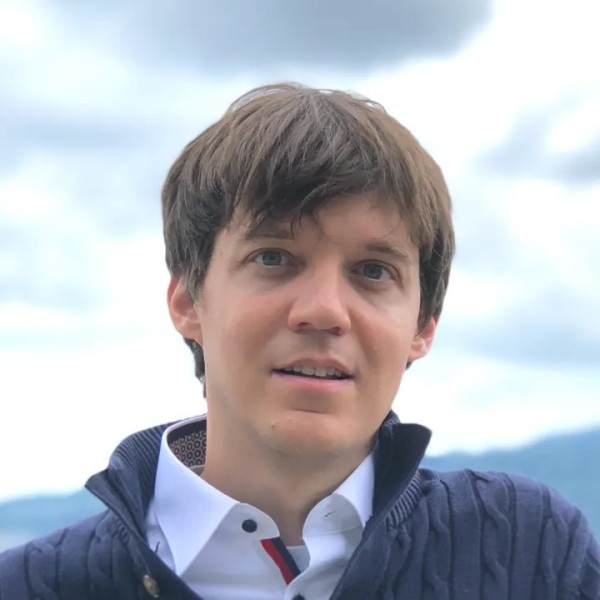 Welcome & framing
Songi Han & Peter Maurer
Welcome & framing
Songi Han & Peter Maurer
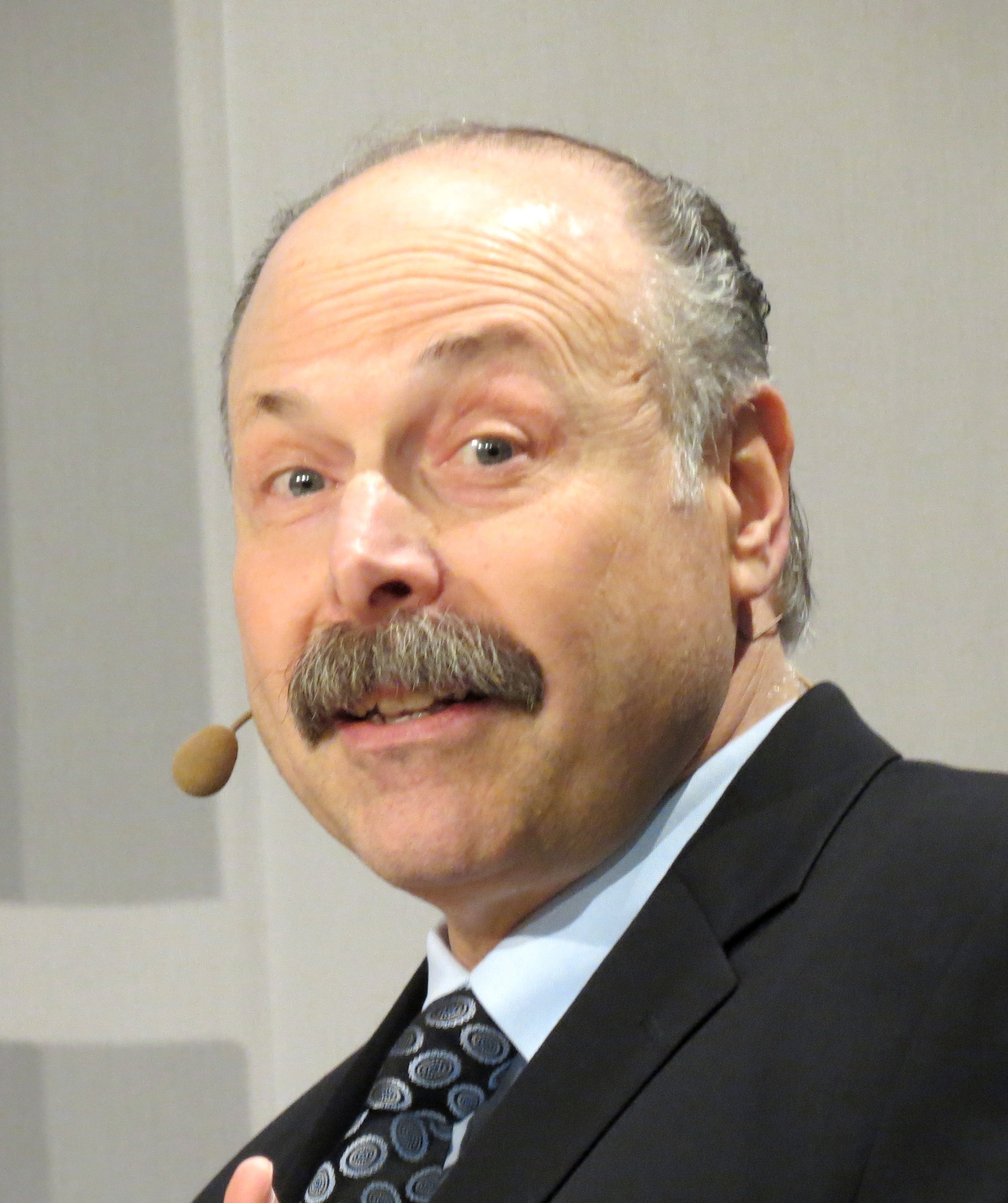 Opening Keynote — David Awschalom
University of Chicago
Peter Maurer
University of Chicago
Encoding a Spin Qubit in a Fluorescent Protein
Opening Keynote — David Awschalom
University of Chicago
Peter Maurer
University of Chicago
Encoding a Spin Qubit in a Fluorescent Protein
 Robert Dickson
Georgia Institute of Technology
Robert Dickson
Georgia Institute of Technology
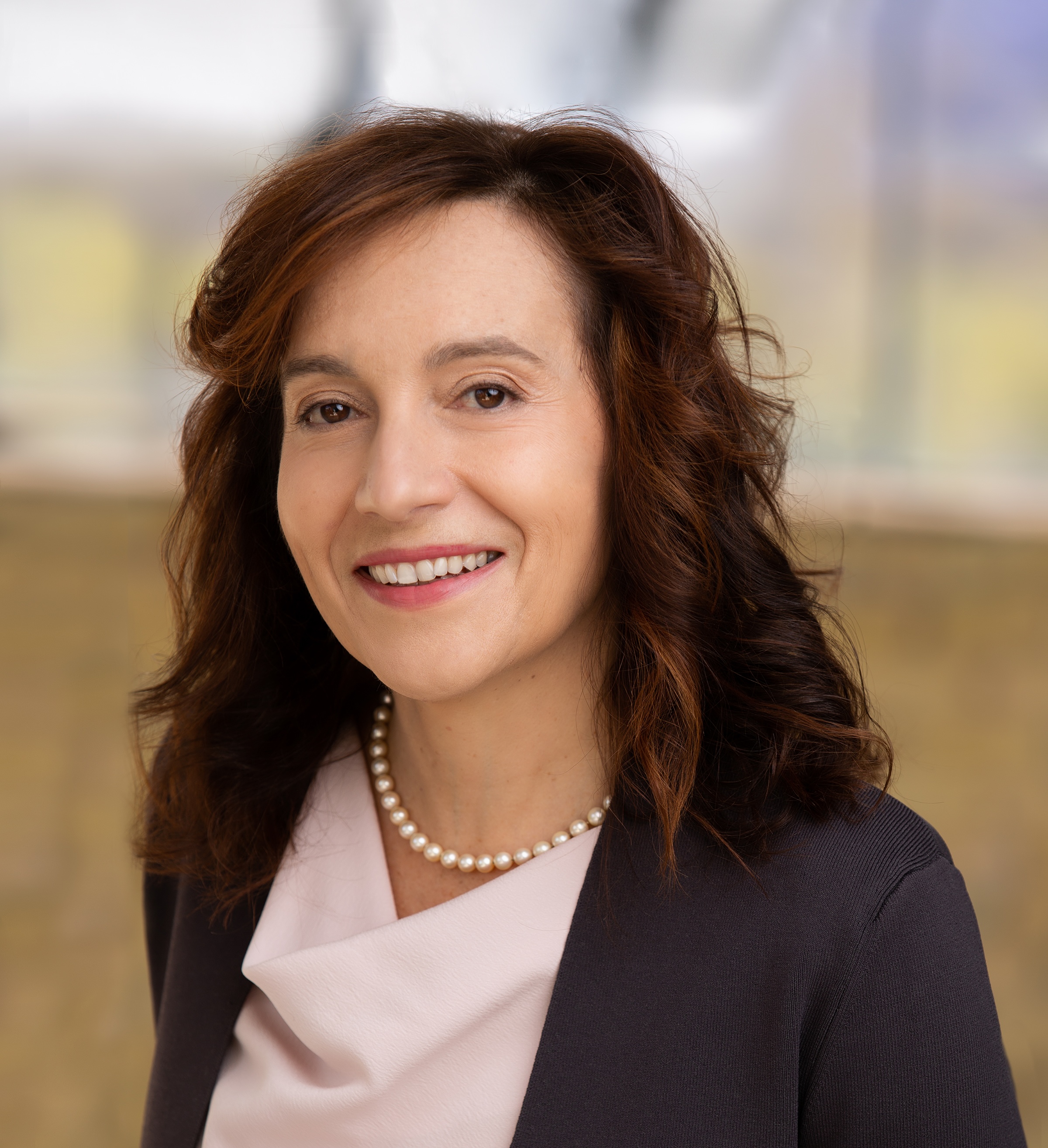 Laura Gagliardi
University of Chicago
Laura Gagliardi
University of Chicago
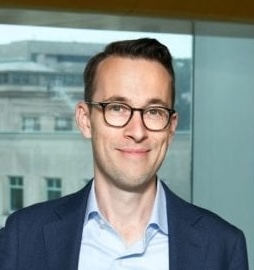 Roel Tempelaar
Northwestern University
How Molecular Structure Governs Intersystem Crossing in Firefly Oxyluciferin and Beyond
Roel Tempelaar
Northwestern University
How Molecular Structure Governs Intersystem Crossing in Firefly Oxyluciferin and Beyond
 Subhajyoti Chaudhuri
Northwestern University
From Spin to Signal: The Quantum Chemistry of LOV Photoreceptors
Subhajyoti Chaudhuri
Northwestern University
From Spin to Signal: The Quantum Chemistry of LOV Photoreceptors
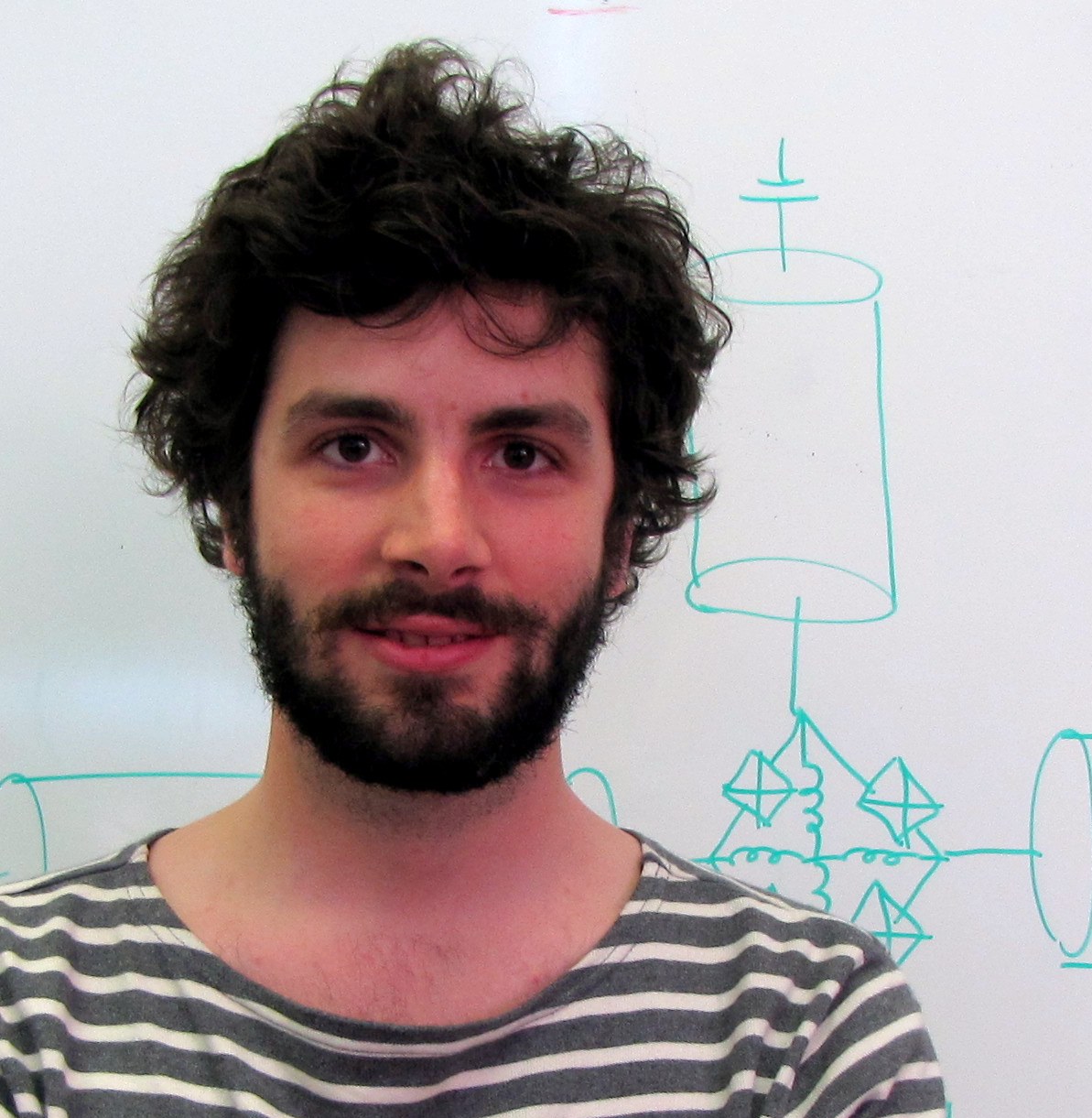 Emmanuel Flurin
Quantronics, CEA
Emmanuel Flurin
Quantronics, CEA
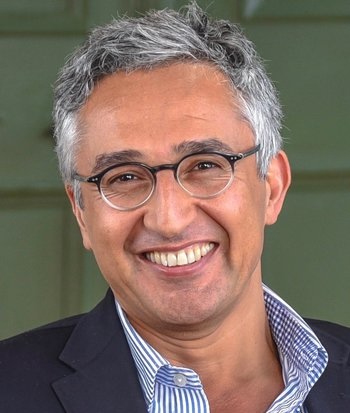 Vahid Sandoghdar
Max Planck Institute for the Science of Light
Vahid Sandoghdar
Max Planck Institute for the Science of Light
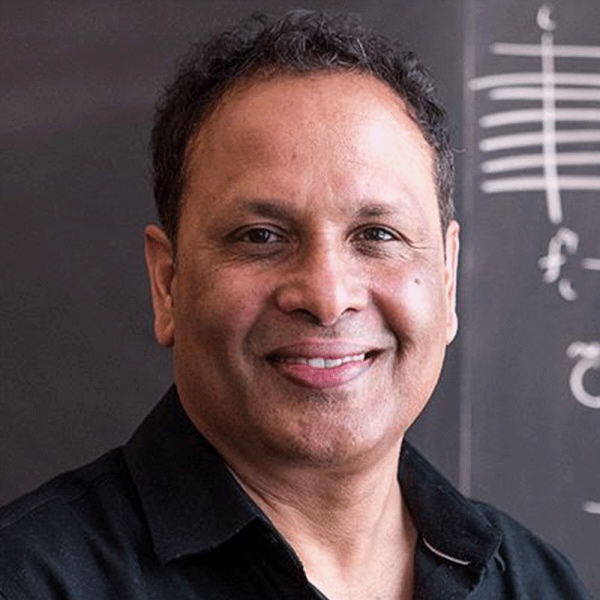 Rama Ranganathan
University of Chicago
Rama Ranganathan
University of Chicago
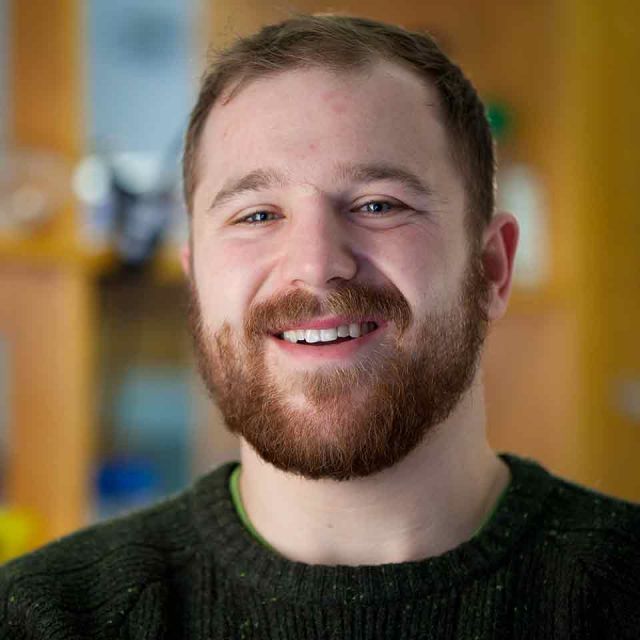 Max Wilson
UC Santa Barbara
Massively Multiplexed Engineering of Photo-Switchable Proteins
Max Wilson
UC Santa Barbara
Massively Multiplexed Engineering of Photo-Switchable Proteins
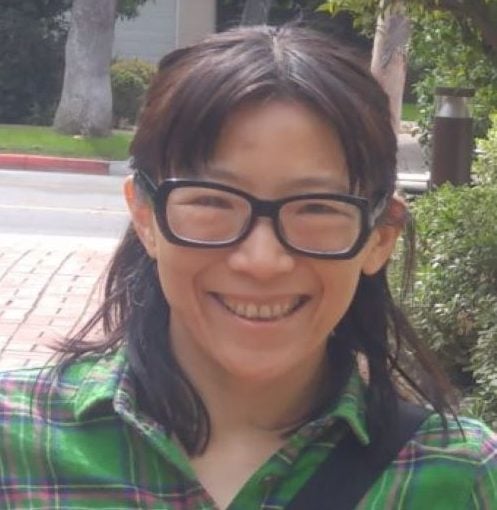 Yun Chen
Johns Hopkins University
Leveraging Spin Dynamics of Radical Pairs to Control Cell Behaviors and Cell Fates
Yun Chen
Johns Hopkins University
Leveraging Spin Dynamics of Radical Pairs to Control Cell Behaviors and Cell Fates
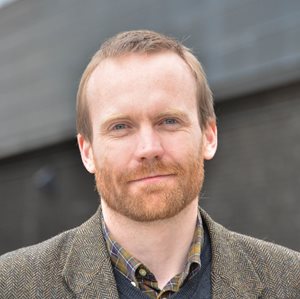 Alex Jones
National Physical Laboratory (NPL), UK
Magnetic Modulation of Neuronal Activity
Alex Jones
National Physical Laboratory (NPL), UK
Magnetic Modulation of Neuronal Activity
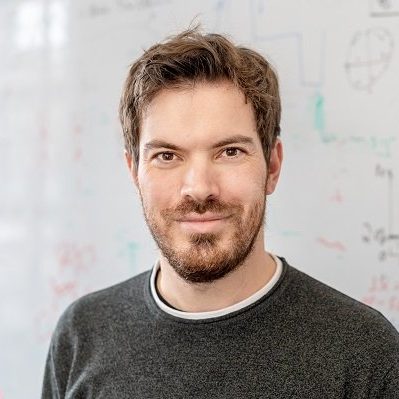 Dominik Bucher
Technical University of Munich
Optically Detected and Radio Wave-Controlled Spin Chemistry in Flavoproteins
Dominik Bucher
Technical University of Munich
Optically Detected and Radio Wave-Controlled Spin Chemistry in Flavoproteins
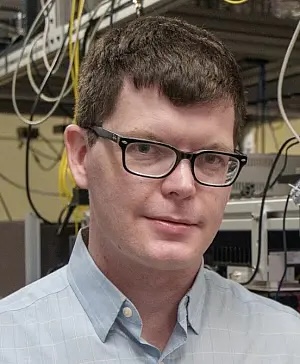 Shaun Burd
Stanford University
Shaun Burd
Stanford University
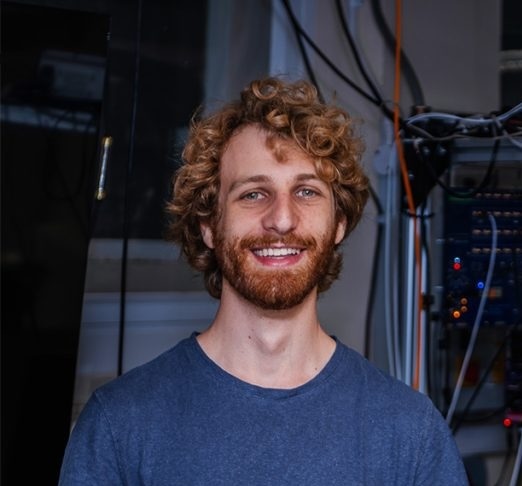 Gabriel Abrahams
University of Oxford
Gabriel Abrahams
University of Oxford
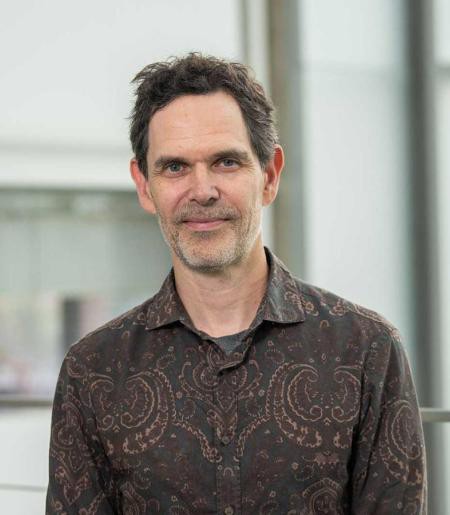 Brian Crane
Cornell University
Brian Crane
Cornell University
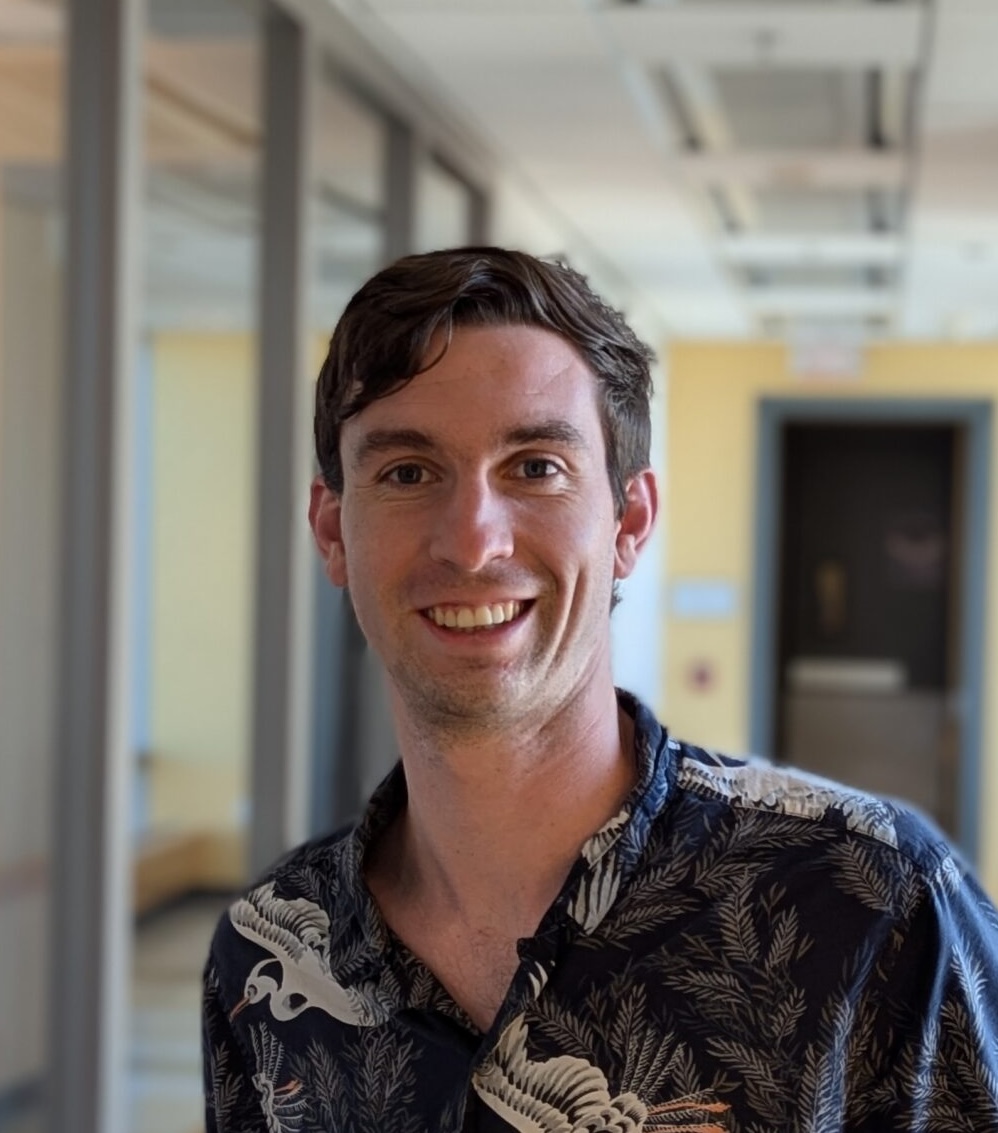 Josh Straub
Han Lab, Northwestern University
Magnetic Field Controls Covalent Photoproduct Formation in a Wild-Type Photoreceptor
Josh Straub
Han Lab, Northwestern University
Magnetic Field Controls Covalent Photoproduct Formation in a Wild-Type Photoreceptor
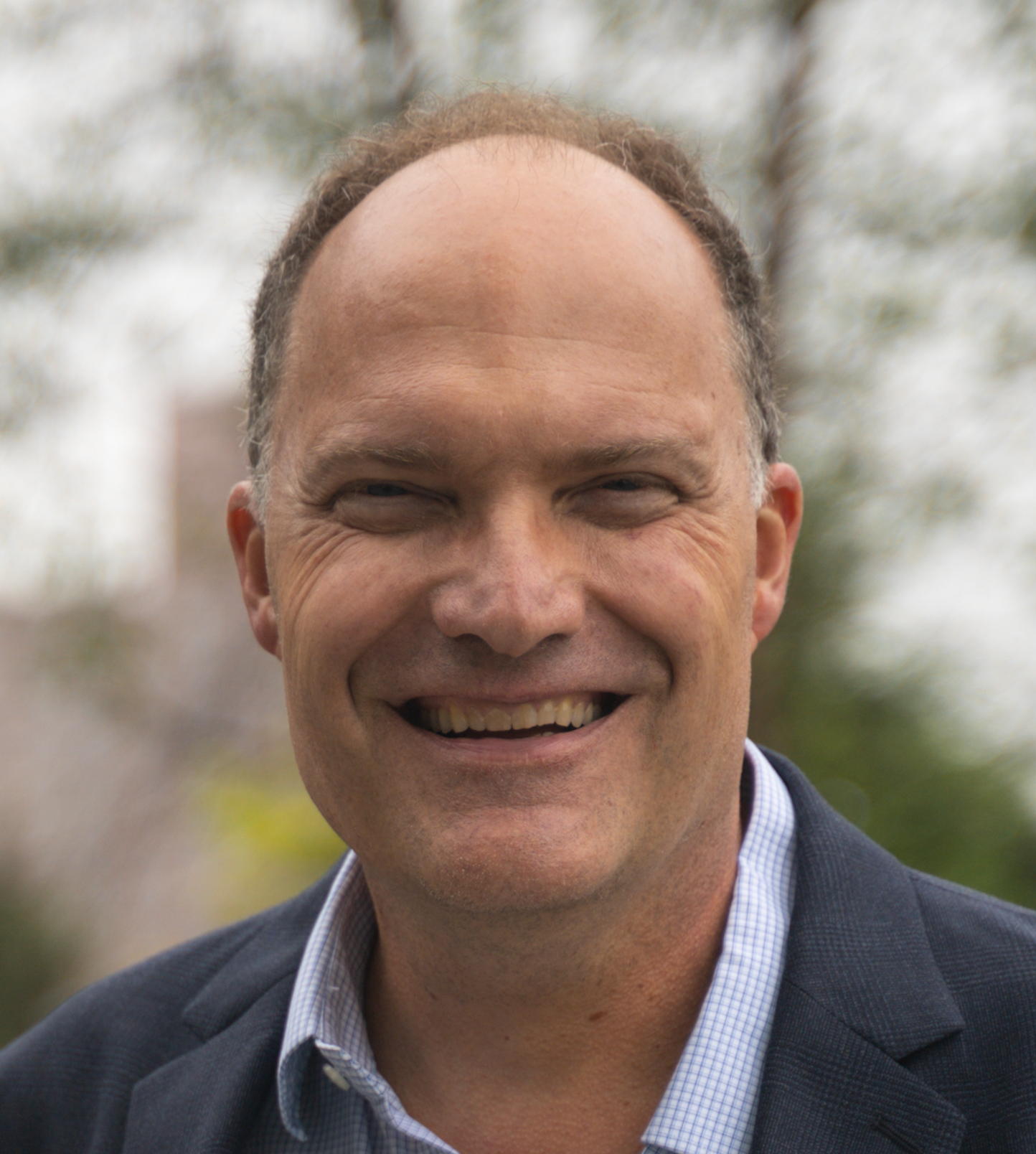 Kevin Gardner
CUNY Advanced Science Research Center
Kevin Gardner
CUNY Advanced Science Research Center
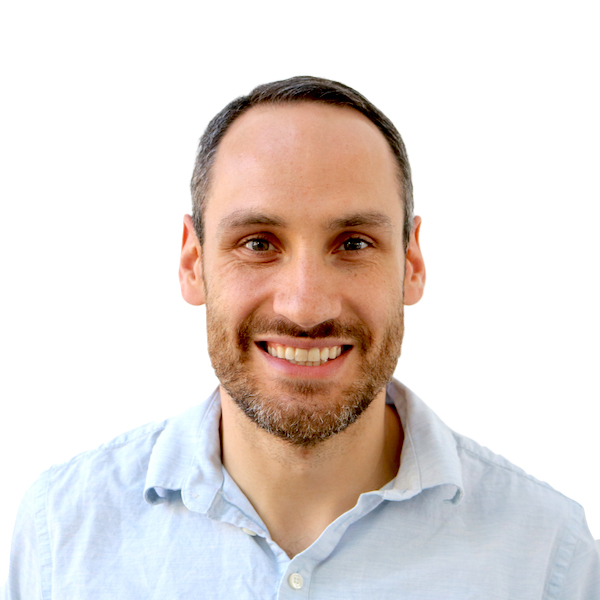 John Anderson
University of Chicago
NIR-II Addressable Spins for In-Vivo Sensing and Imaging
John Anderson
University of Chicago
NIR-II Addressable Spins for In-Vivo Sensing and Imaging
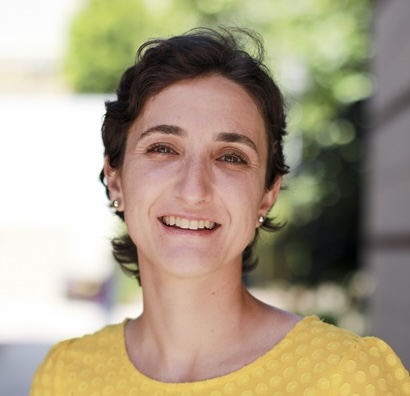 Clarice Aiello
Quantum Biology Institute
Clarice Aiello
Quantum Biology Institute
Program is subject to change.
Registration closes September 30, or earlier if we reach capacity.
Registration closes September 30, or sooner if we reach our 150-attendee capacity — whichever comes first. The registration fee is $150.
Register now →QBI² is supported by leading institutions, foundations, and industry partners committed to advancing quantum bioscience.